Fountain design has evolved considerably in recent years, shaped by changing architectural styles, smarter technology, and a growing appetite for water features that feel more like art installations than traditional garden pieces. Here are the trends we're seeing most often in 2026.
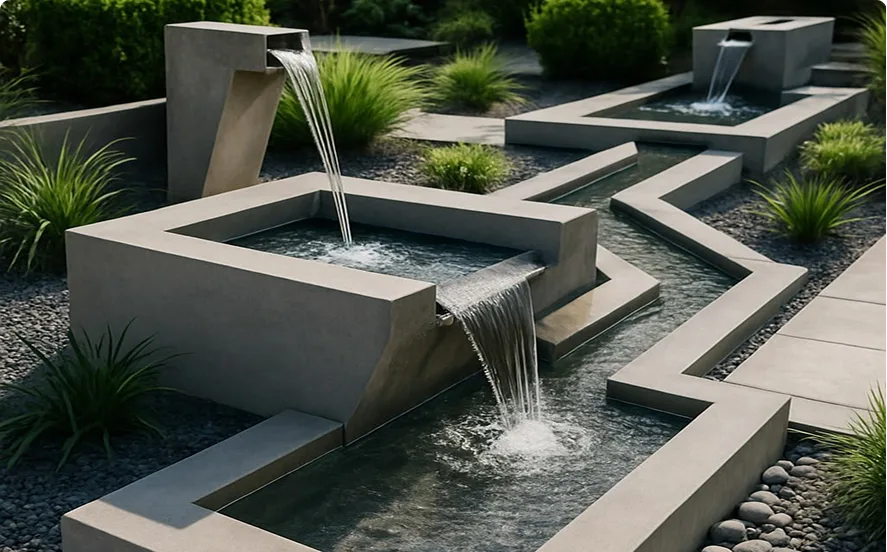
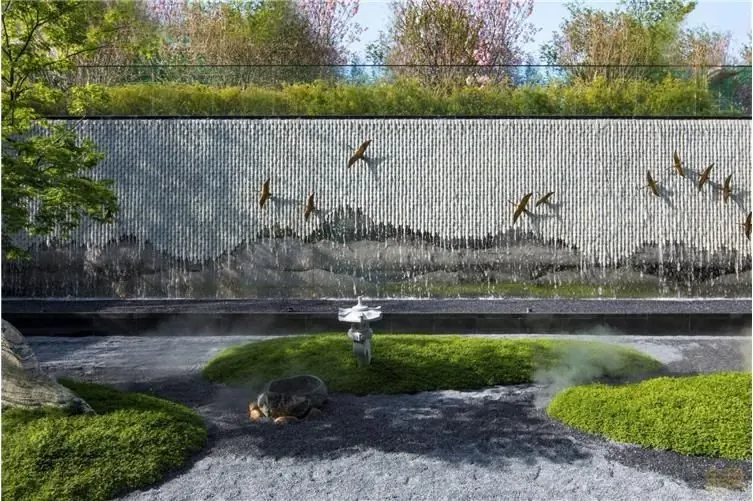
Minimalist, sculptural forms. Clean geometric shapes — sharp-edged basins, monolithic stone slabs, and simple linear water walls — are increasingly popular, especially for modern residential and commercial architecture. These designs let the water itself be the focal point rather than ornate detailing.
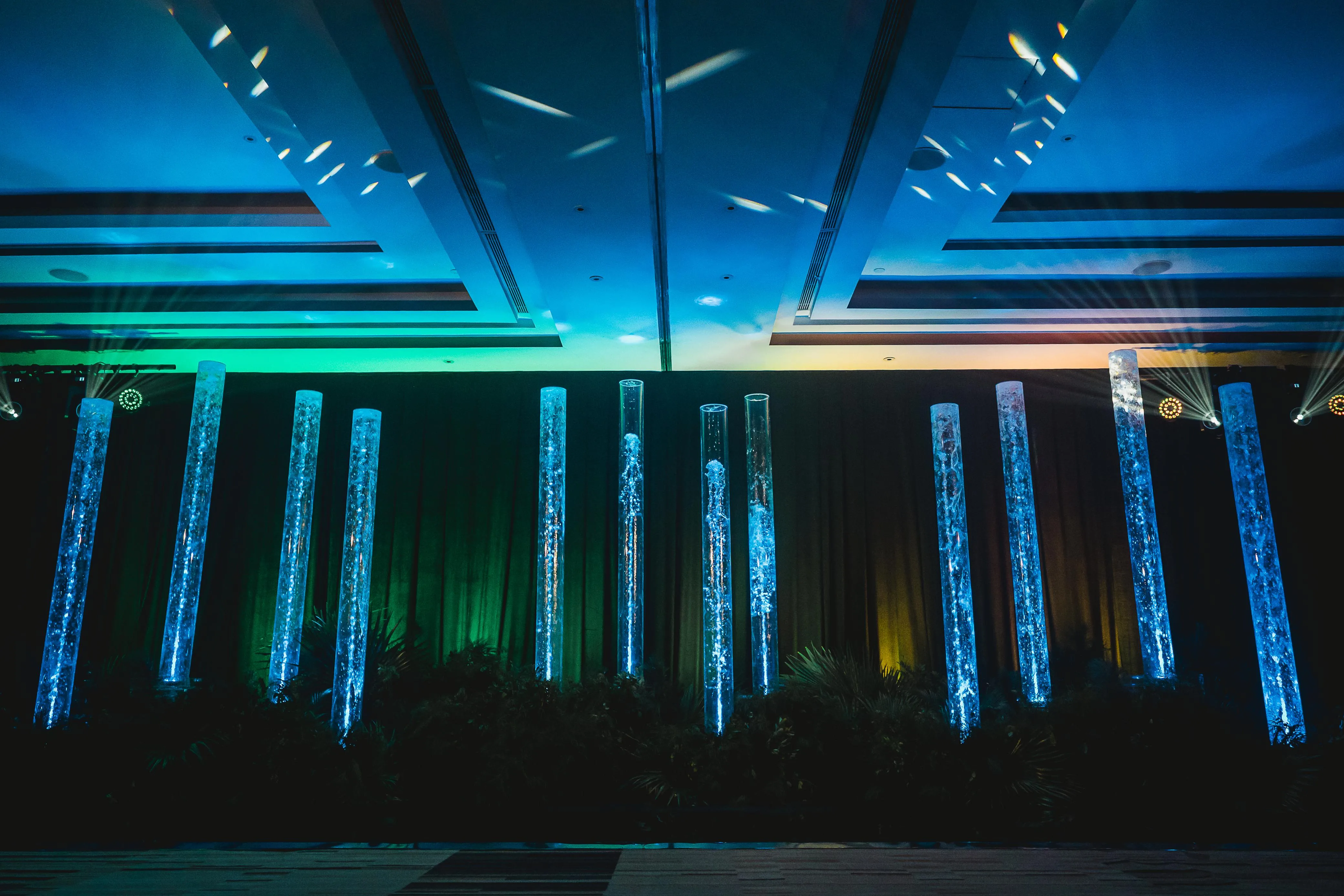
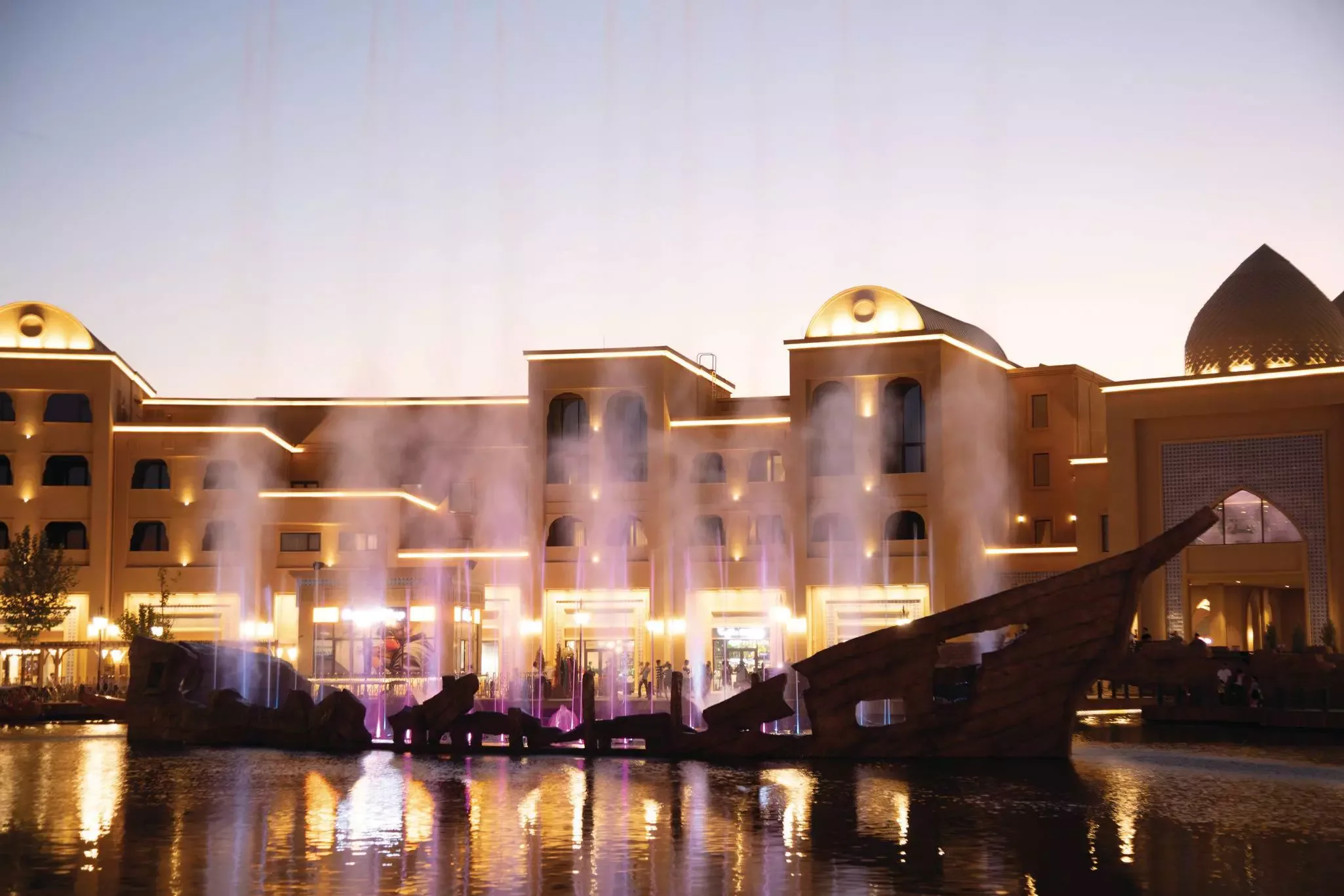
Programmable lighting and effects. LED lighting systems that can be adjusted by color, intensity, and pattern give fountains a completely different character after dark, and many clients now want the ability to sync lighting with events or seasons using a simple app-based control.
Mixed materials. Pairing water with materials like weathered steel, natural stone, and glass is creating more textural, layered designs — a departure from the single-material fountains that dominated in previous decades.
Water walls and vertical features. For properties with limited floor space, vertical water walls have become a popular alternative to traditional basin fountains, offering the same sensory impact in a much smaller footprint.
Sustainability-minded engineering. More clients are asking about water-efficient recirculation systems and energy-efficient pumps, which has pushed us to prioritize sustainable engineering without compromising on visual impact.
Trends come and go, but the fundamentals of a great fountain stay the same — thoughtful design, precise engineering, and a feature that feels like it belongs exactly where it's placed. Whatever direction your project leans, our team can help translate current design language into something that will still feel timeless years from now.