How to Choose the Right Water Fountain for Your Project
Choosing a water fountain is not simply a matter of selecting the most attractive design. The right fountain needs to match the location, purpose, available space, desired visual effect, technical requirements, and long-term operating conditions of the project.
Whether you are planning a fountain for a hotel, shopping mall, residential property, public space, swimming pool, or event, several factors should be considered before selecting the equipment.
1. Start With the Purpose
The first question should be: **What do you want the fountain to achieve?**A fountain may be intended to:
- Create a landmark
- Enhance a building entrance
- Improve a landscape
- Create a relaxing atmosphere
- Attract visitors
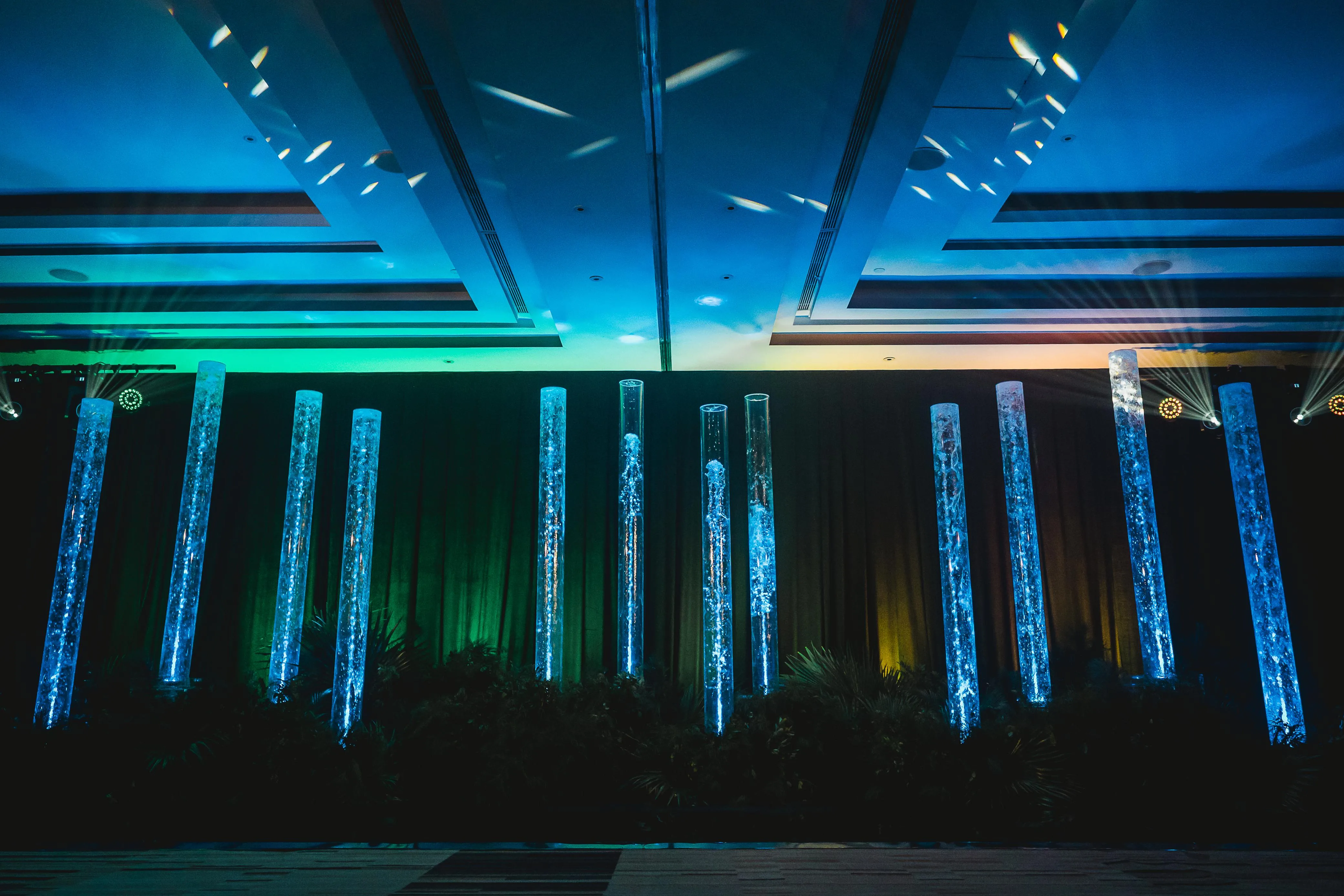
- Support an event concept
- Become an entertainment feature
- Complement an architectural design
Understanding the purpose will help determine the appropriate fountain type and scale.
2. Consider the Location
Indoor and outdoor fountains have different requirements. An outdoor fountain may need to deal with sunlight, rain, wind, leaves, dust, and changing environmental conditions.
An indoor fountain may have different requirements regarding humidity, drainage, splash control, and integration with the building. The surrounding architecture and landscape should also be considered.
A fountain should feel like part of the space rather than an object that has simply been placed in it.
3. Determine the Fountain Size
The available area will influence the size and configuration of the fountain. A larger fountain does not automatically create a better result.
The fountain height, width, water volume, viewing distance, and surrounding architecture should be balanced. For a large commercial project, the fountain may become a major landmark. For a smaller property, a carefully proportioned decorative fountain may be more appropriate.
4. Choose the Desired Water Effect
Different water effects create different visual experiences. You may want:
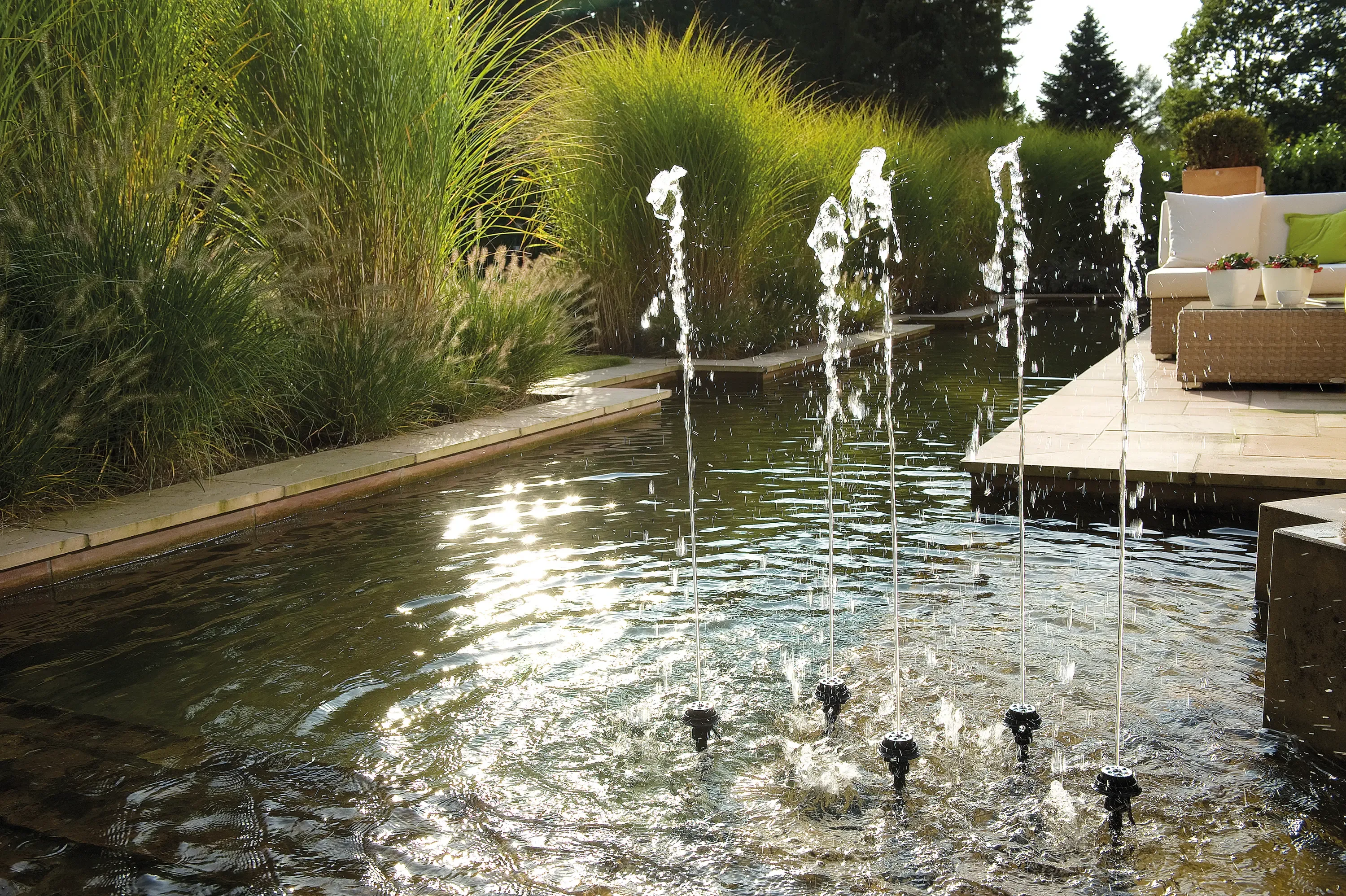
- A vertical water jet
- A gentle bubbling effect
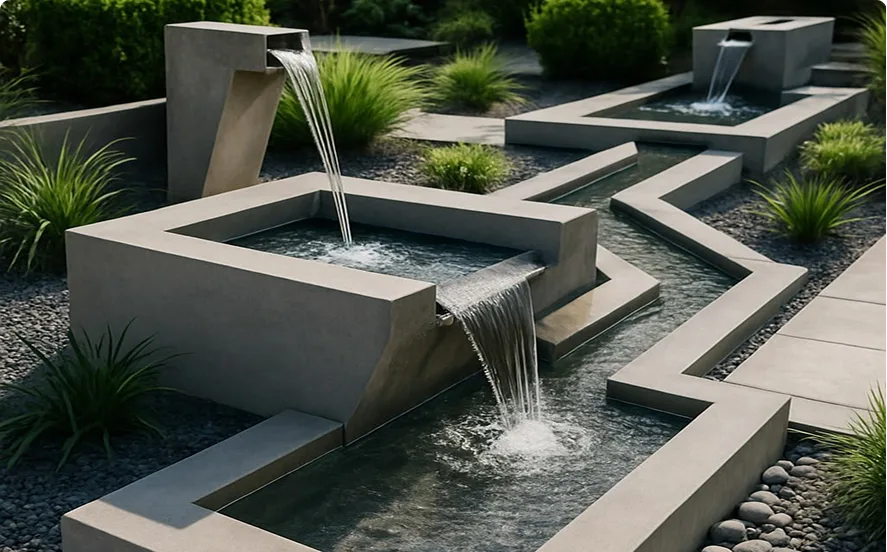
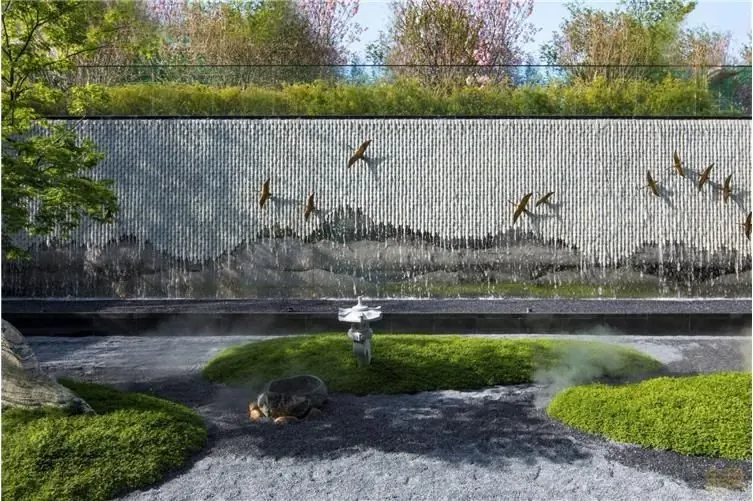
- A cascading fountain
- A bell-shaped water effect
- A fan-shaped display
- A laminar jet
- Multiple synchronized jets
- A dancing fountain
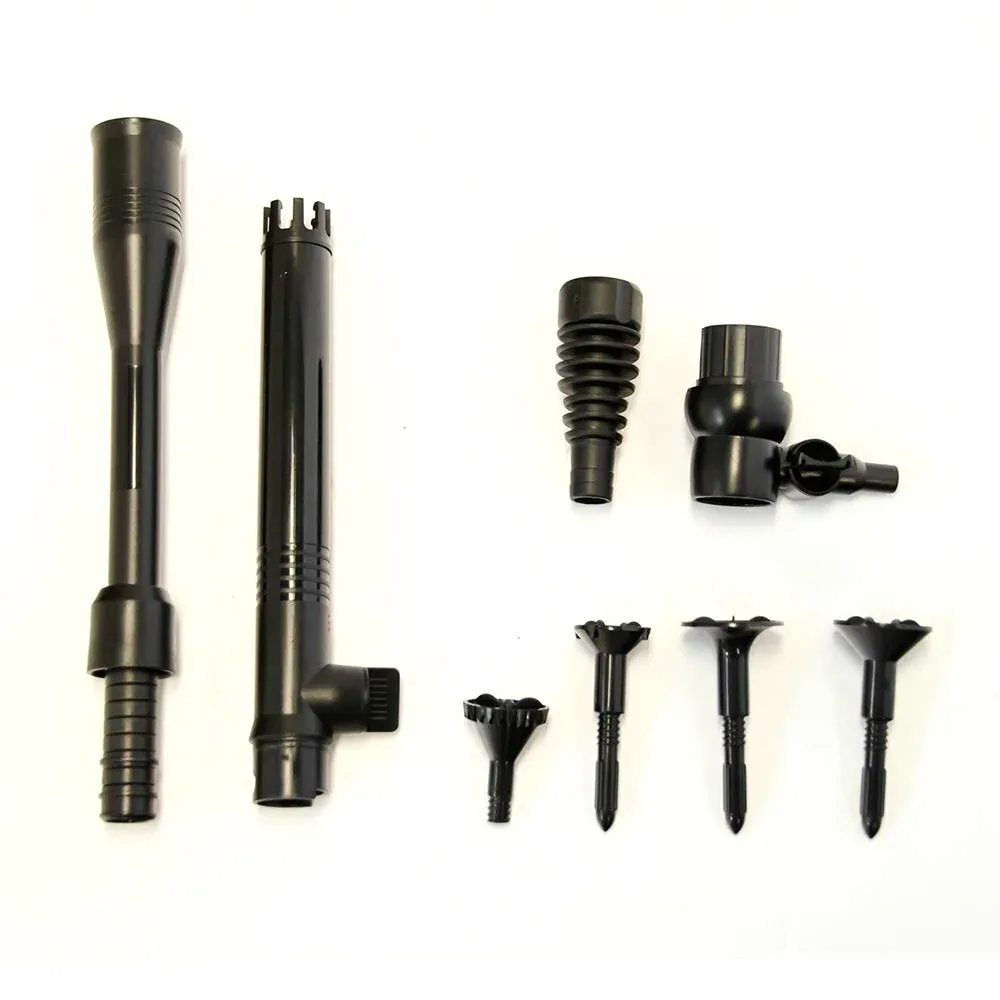
The selected effect determines the type of fountain nozzle and hydraulic system required.
5. Consider Lighting
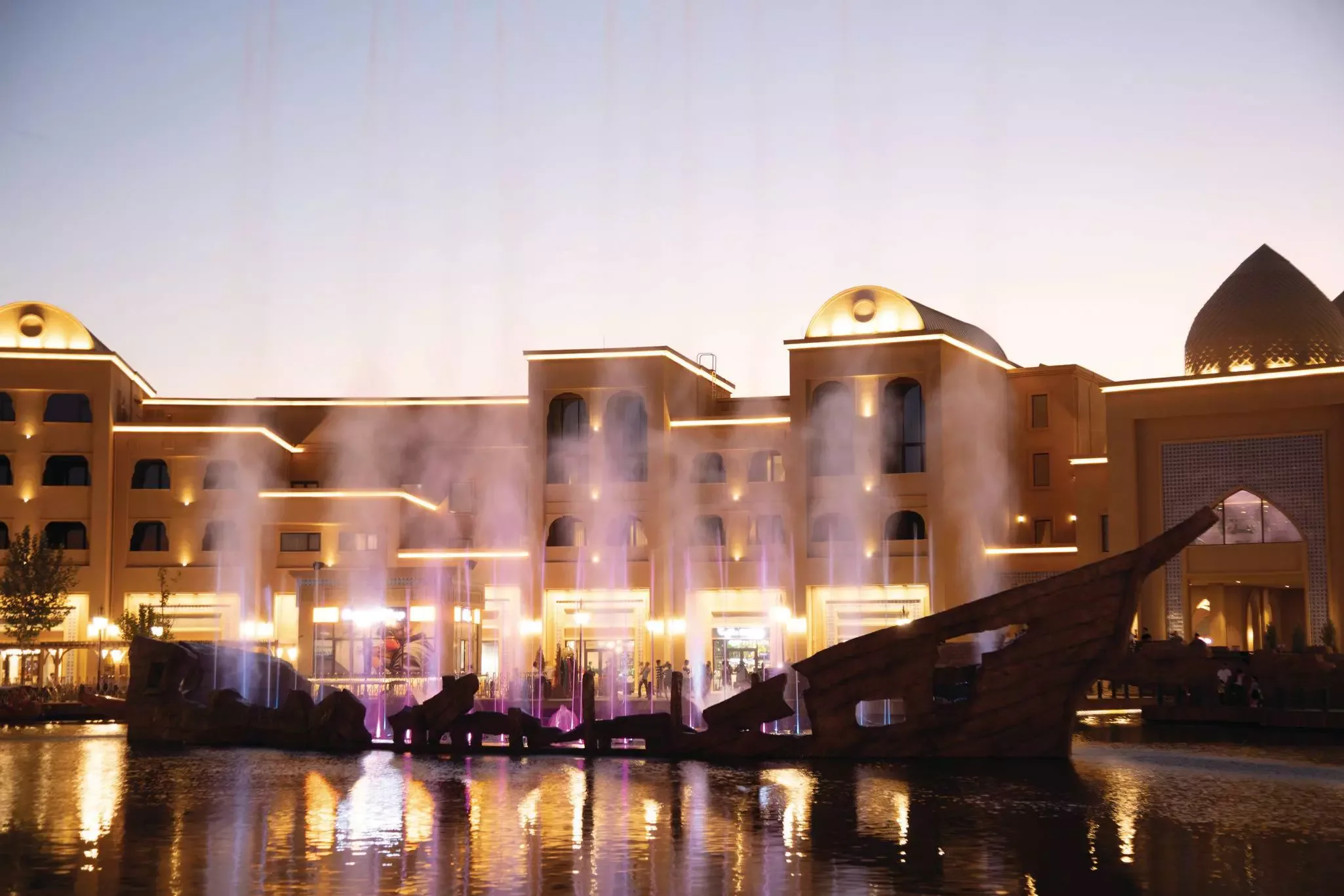
If the fountain will operate at night, lighting should be part of the initial design. Underwater LED lighting can emphasize individual water jets and create a stronger visual identity.
For larger projects, lighting can also be synchronized with the fountain's movement. This creates a more immersive water feature experience.
6. Understand the Technical Requirements
A fountain is an engineered system. The pump, nozzle, piping, valves, lighting, electrical system, filtration, and control system must work together.
Important considerations include:
- Flow rate
- Head pressure
- Pipe sizing
- Pump efficiency
- Water volume
- Electrical capacity
- Water quality
- Maintenance access
- Control requirements
This is particularly important for professional fountains where the system may contain many individual water effects.
7. Think About Maintenance
A fountain should be designed not only for the day it is completed, but also for the years that follow. Maintenance access should be considered from the beginning.
Equipment such as pumps, filters, valves, lighting, and nozzles may require inspection, cleaning, replacement, or servicing. A well-planned fountain makes these tasks easier and helps reduce unnecessary downtime.
8. Choose the Right Fountain Partner
Equipment quality is important, but so is the expertise behind the system. A professional fountain partner should be able to understand both the visual objective and the technical requirements of the project.
This is particularly valuable when the fountain is part of a larger architectural or landscape development.
Create a Fountain That Fits Your Space
The best fountain design is not necessarily the biggest or most complicated. It is the one that successfully combines design, engineering, functionality, and the character of the surrounding space.
Whether you are developing a hotel, commercial property, residential project, public space, landscape, or event, a professionally designed water fountain can become a memorable part of the environment.