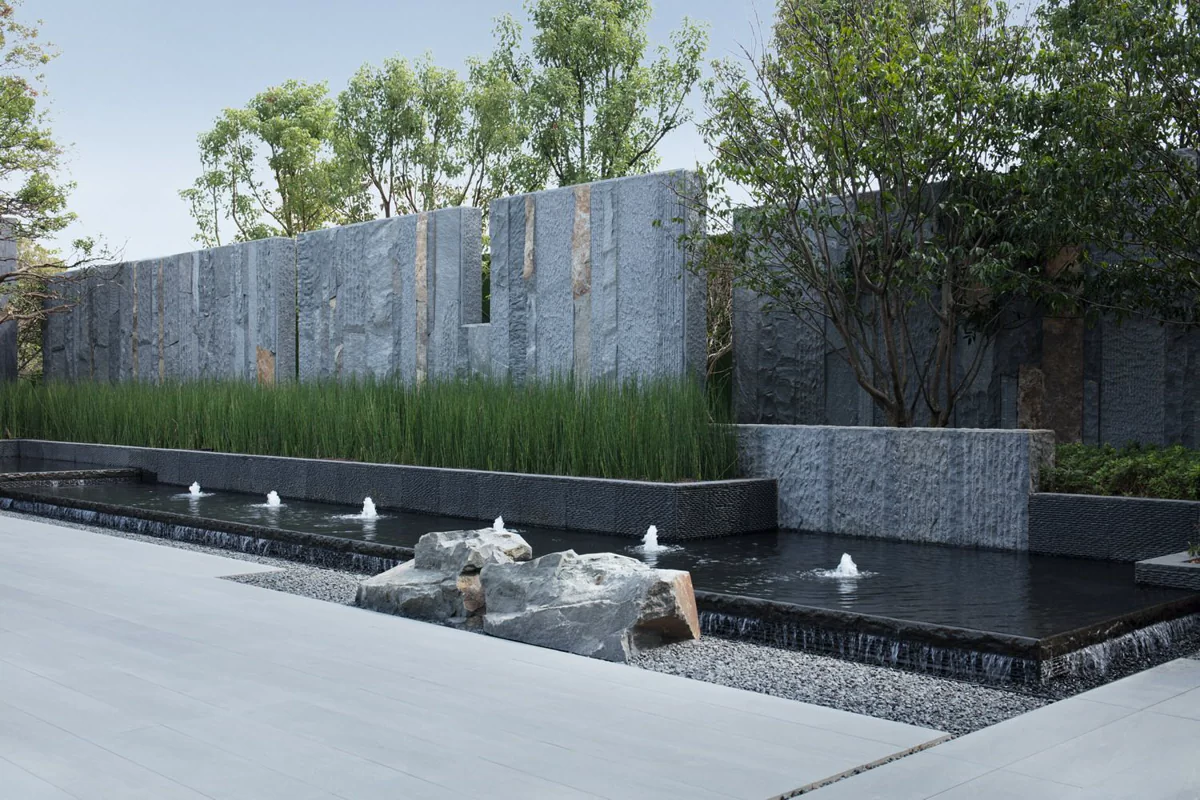
One of the first questions we ask every new client is simple: is this fountain going indoors or outdoors? The answer shapes almost every decision that follows, from materials and pump selection to lighting and long-term maintenance. Both settings can produce stunning results, but they call for different design approaches.
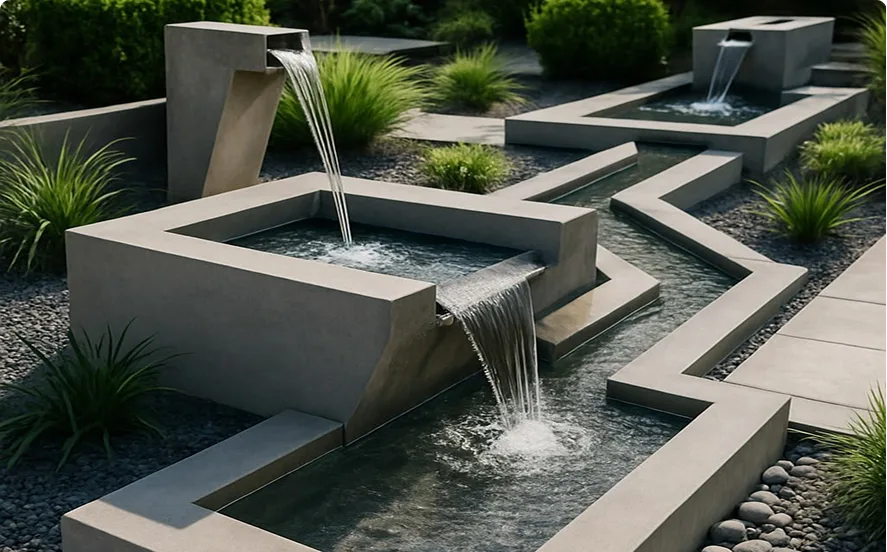
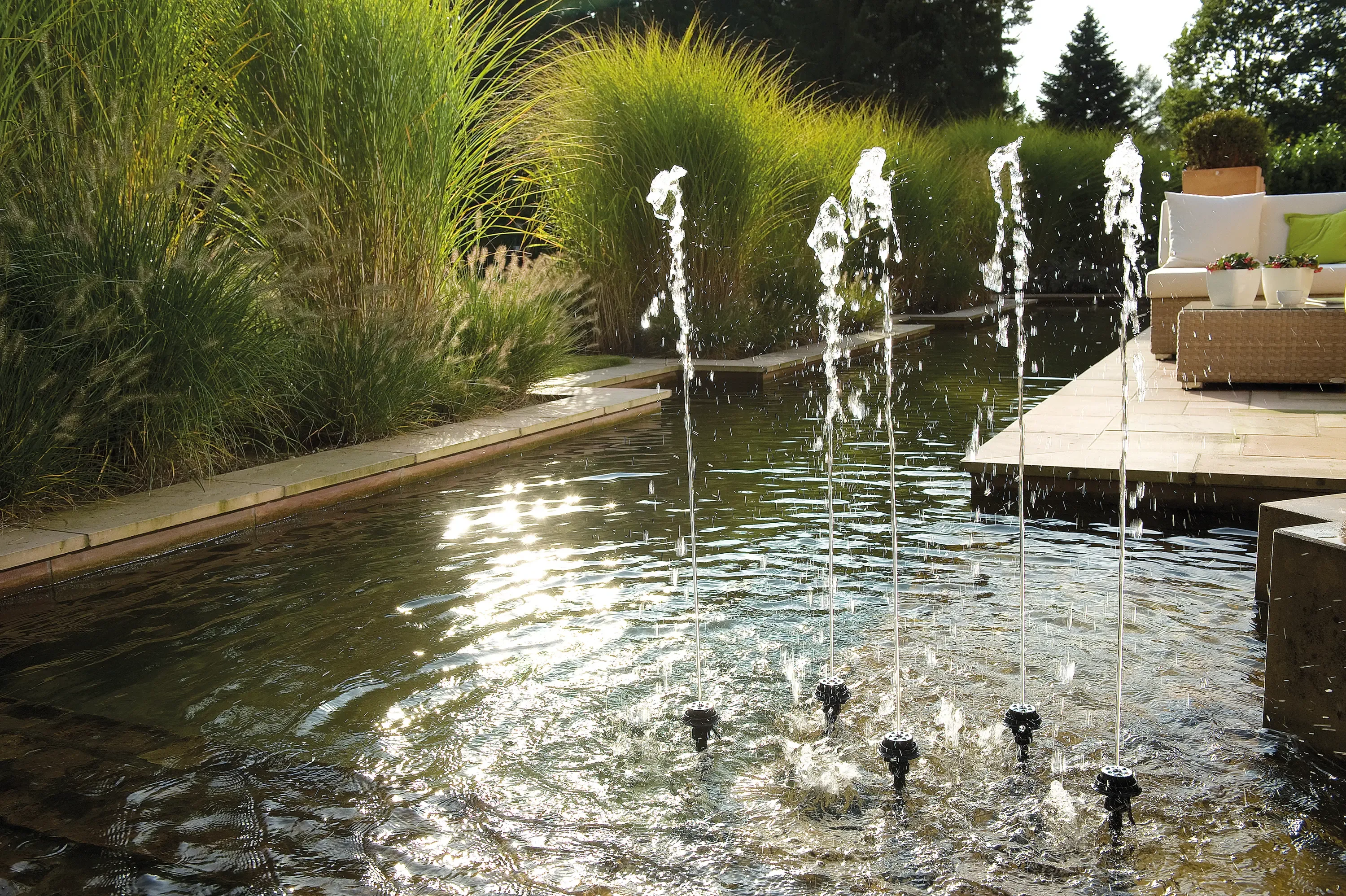
Outdoor fountains are typically the centerpiece of a courtyard, entrance, or garden. Because they're exposed to weather, we build them with materials engineered to handle temperature swings, UV exposure, and rain — while still achieving the aesthetic our clients want, whether that's a sleek modern basin or a more classical tiered design. Outdoor features also give us more freedom with scale; a large fountain can anchor an entire landscape plan.
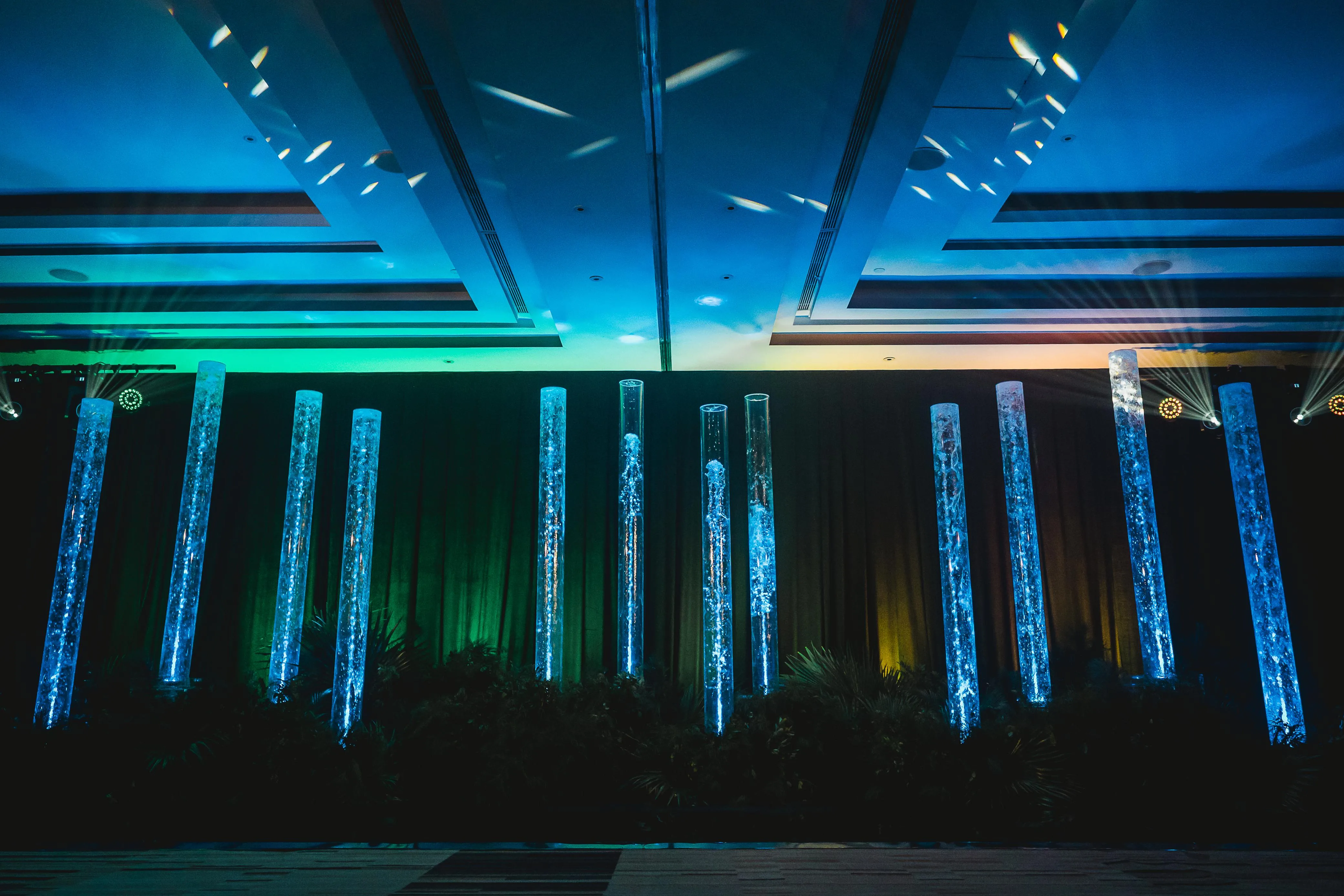
Indoor fountains serve a different purpose. They're usually about creating a focal point in a lobby, spa, or living space, and softening the acoustics of a hard-surfaced interior. Indoor installations require careful attention to water containment, humidity, and noise level — a feature that's too loud can compete with conversation rather than complement it, so we tune the water flow specifically for the room it's going into.
Which one is right for you? If your goal is to make a statement at an entrance or transform an outdoor gathering space, an outdoor fountain is usually the better investment. If you're looking to elevate an interior space — a hotel lobby, a home foyer, a wellness center — an indoor feature, sized and tuned correctly, can have just as much impact on a smaller footprint.
Many of our larger commercial projects actually include both: an outdoor feature that draws people in, and a smaller indoor piece that continues the experience once they're inside. Whatever the setting, the design process starts the same way — with a conversation about how the space is used and what feeling we're trying to create.